
Keep your garden blooming longer by learning which Flowers to Deadhead in July for More Blooms Until Summer.
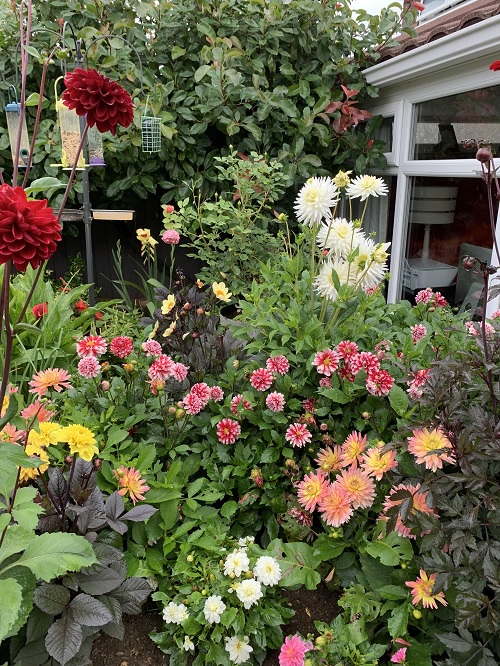

July is when many flowers are putting on their best display, but it’s also the time when older blooms begin to fade. Spending a few minutes deadheading each week can make a noticeable difference. Instead of putting energy into making seeds, many plants respond by producing fresh buds, giving you more flowers well into late summer and sometimes even early fall. Here are five Flowers to Deadhead in July for More Blooms Until Summer.

Flowers to Deadhead in July for More Blooms Until Summer
Roses
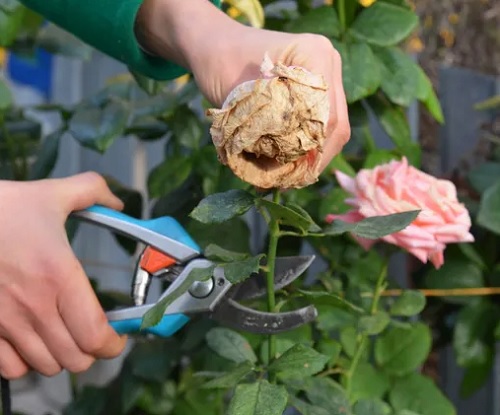
A rose bush covered in fresh blooms is hard to beat, but those flowers don’t last forever. Once the petals begin to fall or turn brown, remove the spent bloom to encourage another round of flowering. Regular deadheading also keeps the plant looking tidy throughout summer.
Not every rose needs this treatment, though. Some modern varieties are self-cleaning and naturally drop their old flowers before producing new ones. If you’re unsure, check whether your rose is a repeat-blooming or self-cleaning variety.
When removing a faded bloom, cut the stem just above the first healthy leaf with five leaflets. While you’re there, inspect the leaves for black spot or other signs of disease and remove any affected foliage to improve air circulation. Don’t throw away the petals either—they can be used for homemade potpourri, rose water, or simple floral decorations.
Coreopsis
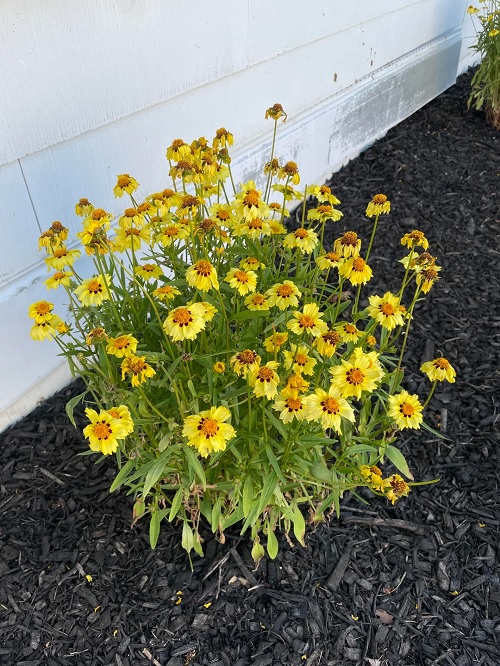
Coreopsis is one of those flowers that keeps rewarding you if you give it a little attention. By July, you’ll probably notice a mix of fresh flowers and faded ones on the same plant. Snipping off the older blooms encourages the plant to keep producing colorful flowers instead of slowing down to form seeds.
Simply cut each faded flower back to the nearest set of healthy leaves. It only takes a few minutes, especially if you do it while watering the garden.
If you’d like more coreopsis next year, leave a few flower heads on the plant toward the end of the growing season. They often reseed on their own, giving you new plants without any extra work.

Salvias
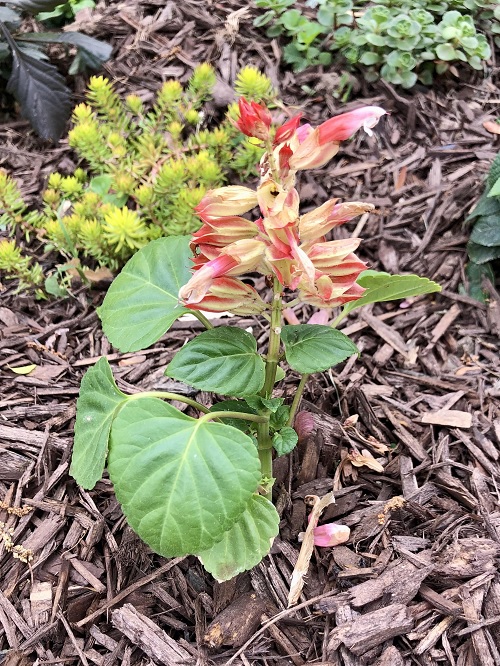
Salvias rarely stay out of bloom for long if you deadhead them at the right time. As the flower spikes begin to fade, the stems can become stretched and start leaning over. That’s usually your signal to trim them back.
Rather than removing individual flowers, cut the entire flower spike down to the base once most of the blooms have finished. A light trim also helps the plant keep a compact shape and encourages fresh shoots to develop. In many gardens, this simple job is enough to keep salvias flowering into early fall while continuing to attract bees, butterflies, and hummingbirds.
Shasta Daisies
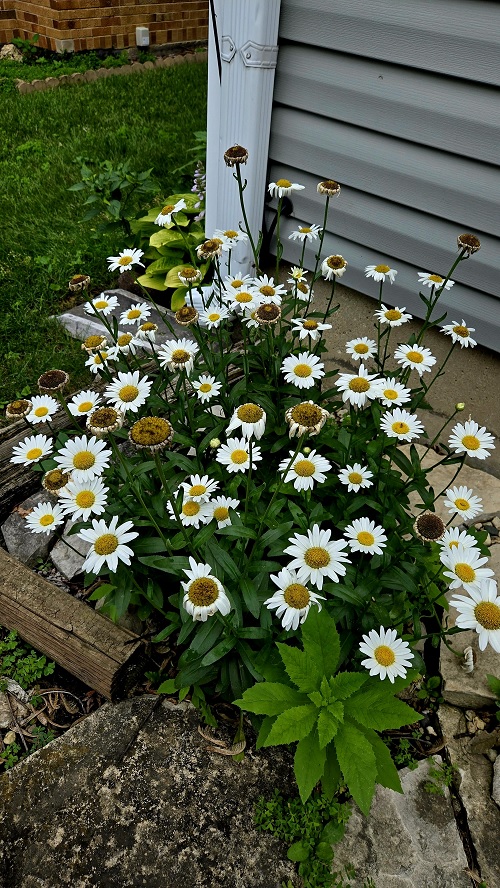
By the middle of summer, Shasta daisies often have both fresh blooms and faded flowers growing together. Removing the older flowers helps the newer buds stand out and keeps the plant looking bright instead of tired.

As soon as the petals begin to droop or turn brown, cut the flower stem just above the next set of leaves or a developing bud. Checking your daisies every few days prevents seed production and encourages the plant to keep blooming for weeks longer.
It’s one of the easiest maintenance jobs you can do, and the results are usually worth the effort.
Echinacea
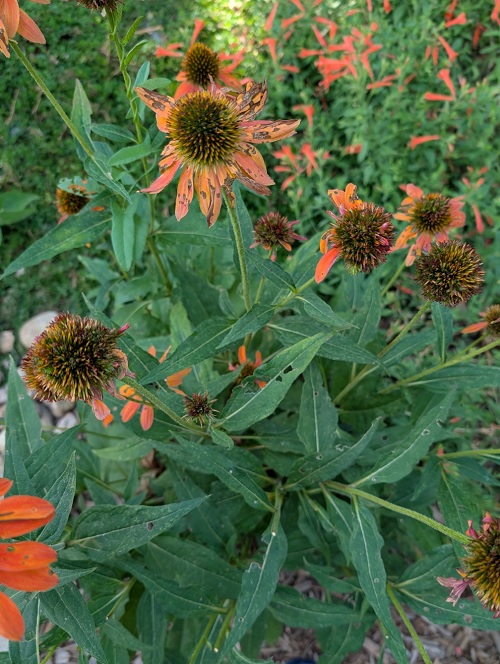
Coneflowers are known for blooming reliably with very little care, so deadheading isn’t essential. Even so, removing older flowers during July can encourage the plant to produce a few extra blooms before the season winds down.

Follow the flower stem to the first set of healthy leaves and make your cut just above them. This keeps the plant looking neat and reduces unwanted self-seeding around the garden.
As summer comes to an end, leave a few spent flower heads in place. Goldfinches and other seed-eating birds enjoy the seeds, adding a little extra wildlife interest to your garden long after the flowers have faded.