
Is your macrame cord turning yellow? Find out how to prevent discoloration, store your supplies properly, and keep your cord looking fresh for longer.

If your white or cream cord is turning yellow, a few changes can help prevent further discoloration. Learning How to Stop Macrame Cord Yellowing starts with proper storage, keeping it away from sunlight and moisture, and handling it with clean hands. These simple steps can help your cord stay in good condition for future projects.

How to Stop Macrame Cord Yellowing
Keep Your Cord Out of the Sun
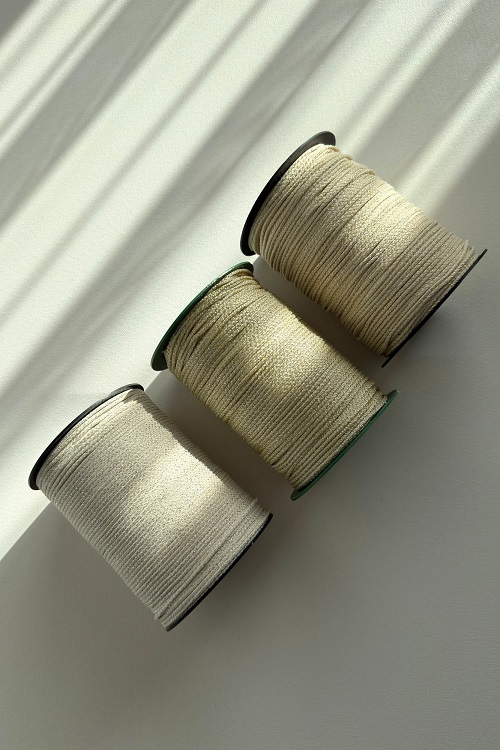
Keep white cotton cord away from direct sunlight when storing it. If you leave a roll on a sunny windowsill, the outer layers may turn yellow while the cord inside stays white.
Store leftover cord in a cupboard or a clean box with a lid. Choose a dry spot away from strong sunlight to help keep the cord in good condition.
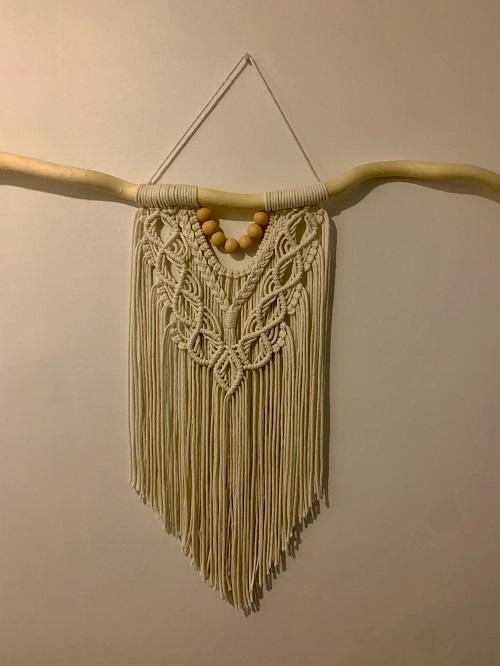
The same goes for finished macrame pieces. If you hang a white wall hanging near a window, pay attention to how much direct sunlight it receives. After a while, the exposed areas may start to yellow, leaving the piece with uneven coloring.
Watch Out for Damp Storage
When you open a box of macrame cord, check for any musty smell. It may be a sign that the cord has been kept somewhere damp. Too much moisture can cause mold or mildew, which may leave stains that are difficult to get rid of.
This is more likely to happen if you store your supplies in a basement, near a damp wall, or in a cupboard that doesn’t get enough air. Check your storage space now and then, especially during the rainy season.
If you wash your cord, make sure it is completely dry before storing it again. You can also place a moisture absorber in the cupboard if the area tends to get damp. Just keep it separate from the cord.

Yellow stains alone don’t always mean mold is present. Check for other signs, such as dark spots, a musty smell, or fibers that feel different than usual. If you notice anything unusual, keep that cord away from your other supplies until you know what’s causing it.
Handle White Cord With Clean Hands
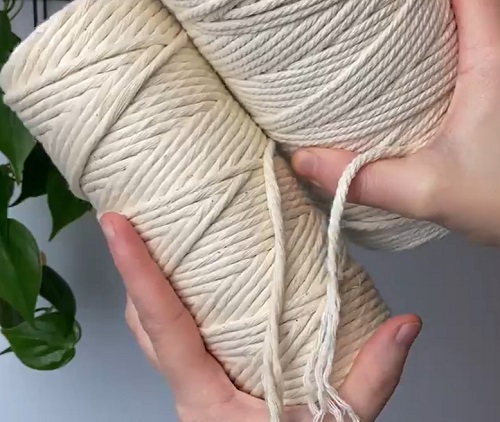
When you spend hours working on a macrame project, your hands are constantly touching the cord. Sweat, natural skin oils, and hand cream can leave marks on white or cream cotton, even if your hands seem clean.
Wash and dry your hands before you start knotting. If you’ve used hand lotion, give it time to soak into your skin before handling the cord.

It’s also worth cleaning your worktable before you begin. Dust and dirt can easily settle on the fibers while you’re measuring or cutting the strands. Wipe the surface clean and keep any extra cord in a clean bag.
If you need to leave your project unfinished for the day, cover it with a clean cloth. This keeps dust away and means you won’t have to clean the cord between the knots later.
Keep Cord Away From Smoke and Cooking Fumes
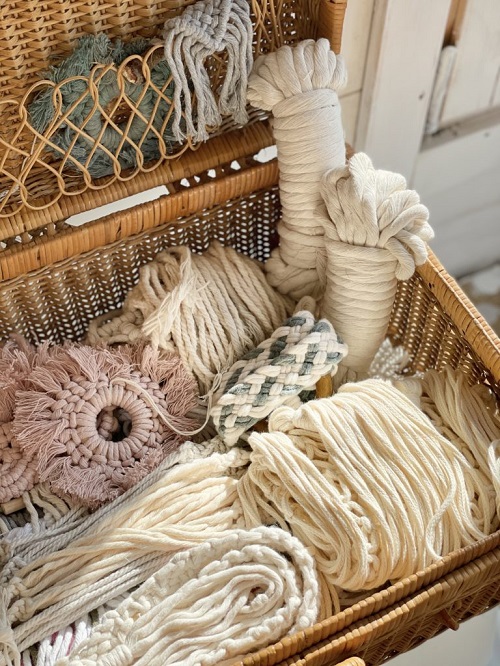
Cord stored near a kitchen can pick up residue from cooking fumes. Smoke from candles, fireplaces, and cigarettes can also affect light-colored materials.

If your supplies are kept on an open shelf near the kitchen, move them to a cupboard in another room if possible. This is more useful than repeatedly washing cord that has collected residue.
Finished pieces can gather dust in the knots and fringe. A soft, clean brush is usually enough for routine cleaning. Work gently so you do not loosen the knots or pull the strands out of shape.
For a larger piece, you can use a vacuum with a suitable brush attachment on a low setting. Keep the suction gentle and make sure it does not catch the loose ends.
Choose a Clean Place to Store Your Supplies
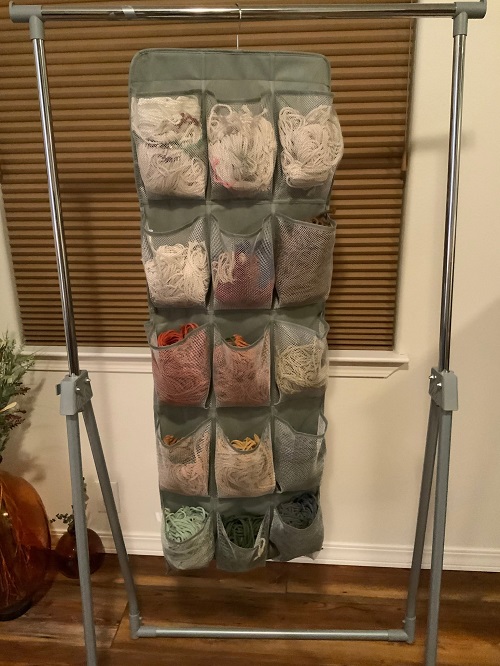
You do not need to buy expensive organizers to protect macrame cord. A clean plastic box with a lid works well for dry supplies. A fabric bag can also be useful if the room is dry and does not collect much dust.
Avoid using a box that has water stains, a musty smell, or dirt inside. Newspaper is not a good wrapping choice for white cord because ink may transfer if the material becomes damp.

I prefer keeping different colors separate, especially when a project needs several rolls of white cord. It makes it easier to check each roll and helps prevent darker fibers or dirt from mixing with the lighter strands.
Do not force too much cord into one container. Keep the rolls easy to remove, and label them if you have several similar shades. When you return to an unfinished project, you will know which roll to use.
Be Careful When Cleaning Yellowed Cord
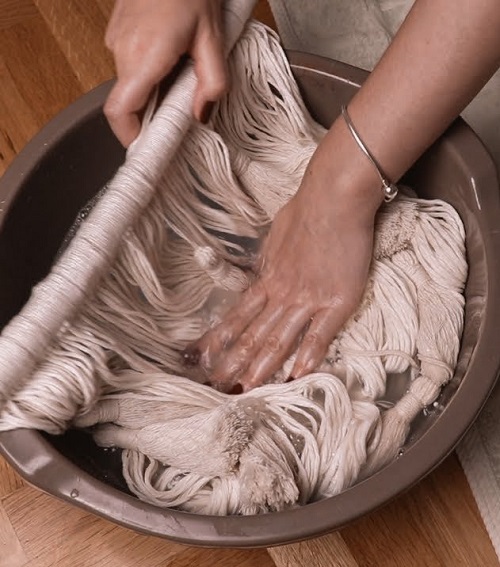
It is tempting to reach for bleach when white cord starts looking yellow, but that can do more harm than good. Some products weaken cotton fibers or leave uneven patches, particularly when used too strongly.

First, check whether the cord can be washed. If the supplier recommends washing, use a mild detergent and follow the stated care instructions. Test a small leftover piece before cleaning a full roll or finished project.
Do not scrub the cord hard or twist it while it is wet. This can leave the fibers tangled or change their texture. Rinse out the detergent and let the cord dry in a well-ventilated area, away from direct sunlight.
If the cord has a special coating or is made from a synthetic material, do not assume that a method suitable for cotton will work for it. Check the product instructions before using any cleaning solution.
Check the Cord Before Cutting It
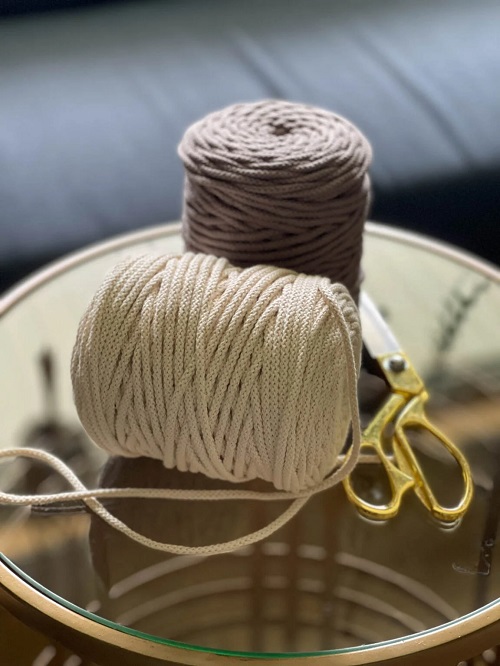
Before measuring strands for a large project, unwind a little cord and look at its color. This is worth doing with supplies that have been stored for several months.
Check the outside and inside of the roll. If the outer section has yellowed, you may be able to cut it away and use the unaffected cord underneath, provided the material is clean and strong.
When you need several rolls for one wall hanging or curtain, lay them together and compare their shades before cutting. Different batches can have slightly different colors, even when the labels look identical.
Finding this out early is much easier than noticing the difference after you have tied dozens of knots.
Choose Cord That Suits Your Project
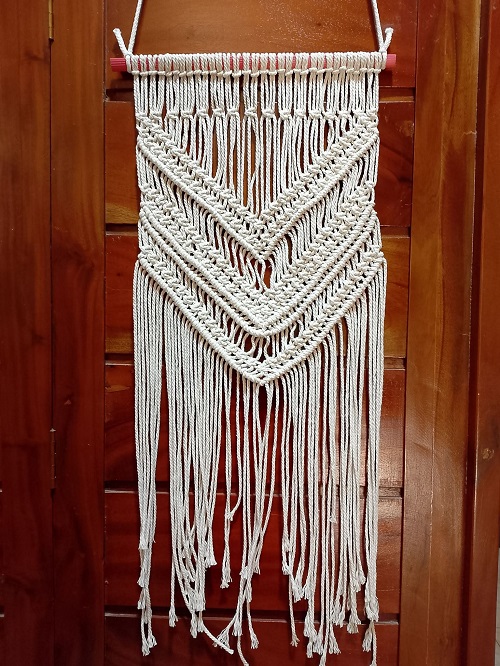
Cotton cord is a popular choice for macrame because it is easy to knot and gives a soft finish. However, natural cotton can change color with age and exposure to its surroundings. Paying more for a roll does not mean it will never yellow.
When buying supplies, check the material and care instructions. If you need several rolls, buying them together may help you get a closer color match.
Think about where the finished piece will go, too. A wall hanging placed in direct sunlight faces different conditions from one displayed in a hallway. For outdoor projects, use cord intended for outdoor conditions rather than relying on ordinary cotton to withstand sun and rain.
Clean Finished Macrame Pieces Gently
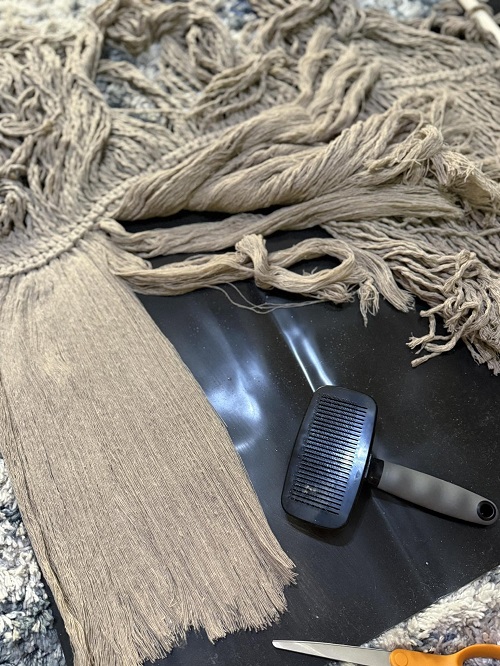
A finished macrame piece does not need frequent washing just because it collects dust. Start with a soft brush and work along the knots and fringe. This is often enough to freshen up a wall hanging or plant hanger.
If you find a stain, check the cord’s care instructions before using water or detergent. Test the cleaning method on a hidden section first. Some wooden beads and rings may release color when wet, and certain finishes can be damaged by cleaning products.
Large pieces also become heavy when soaked. If washing is necessary, support the piece so its weight does not stretch the knots. Let it dry fully before putting it back on display.
Can You Save Cord That Has Already Turned Yellow?
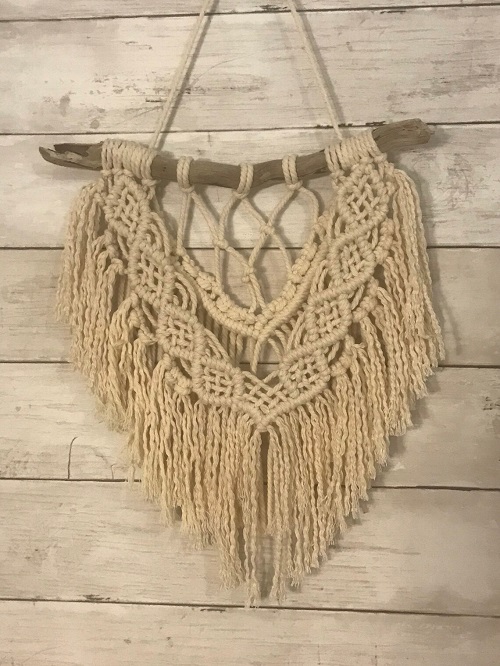
Sometimes you can improve its appearance, but the result depends on the cause. Dirt or smoke residue may respond to gentle cleaning. Yellowing caused by long exposure to sunlight or changes in the fibers themselves may remain.
Start with a small test instead of washing the whole roll. If the color does not improve with a suitable cleaning method, stronger chemicals are unlikely to be worth the risk.
For a project that needs an even white finish, replacing badly discolored strands may be the better option. If the cord has become weak or brittle as well, do not use it for a piece that needs to support weight, such as a plant hanger.