
Find the Best Yarn for Crochet Plants and choose the right texture, weight, and finish for leaves, stems, flowers, and potted designs.
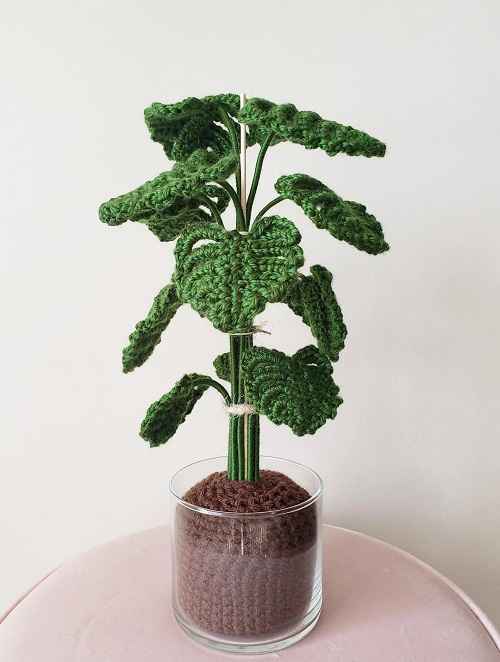
Choosing Best Yarn for Crochet Plants is a little different from choosing it for a sweater or scarf. You are not worried about warmth or drape here. You need yarn that will help the leaves keep their shape, make the stitches easy to see, and give the finished plant enough body.
The size of the plant matters too. A yarn that works nicely for a large monstera can make a small succulent look heavy and oversized.
You have quite a few options. Cotton is often the easiest one to work with, but acrylic, chenille, wool, and blends can all have a place in your yarn stash. Before settling on one, I would look at how the yarn feels in your hand and how clearly you can see the stitches.
Best Yarn for Crochet Plants
1. Cotton Yarn
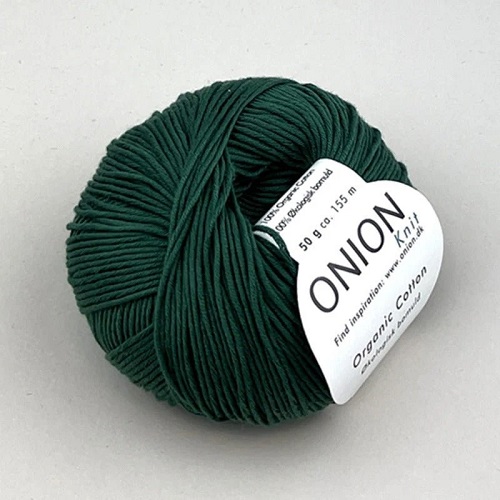
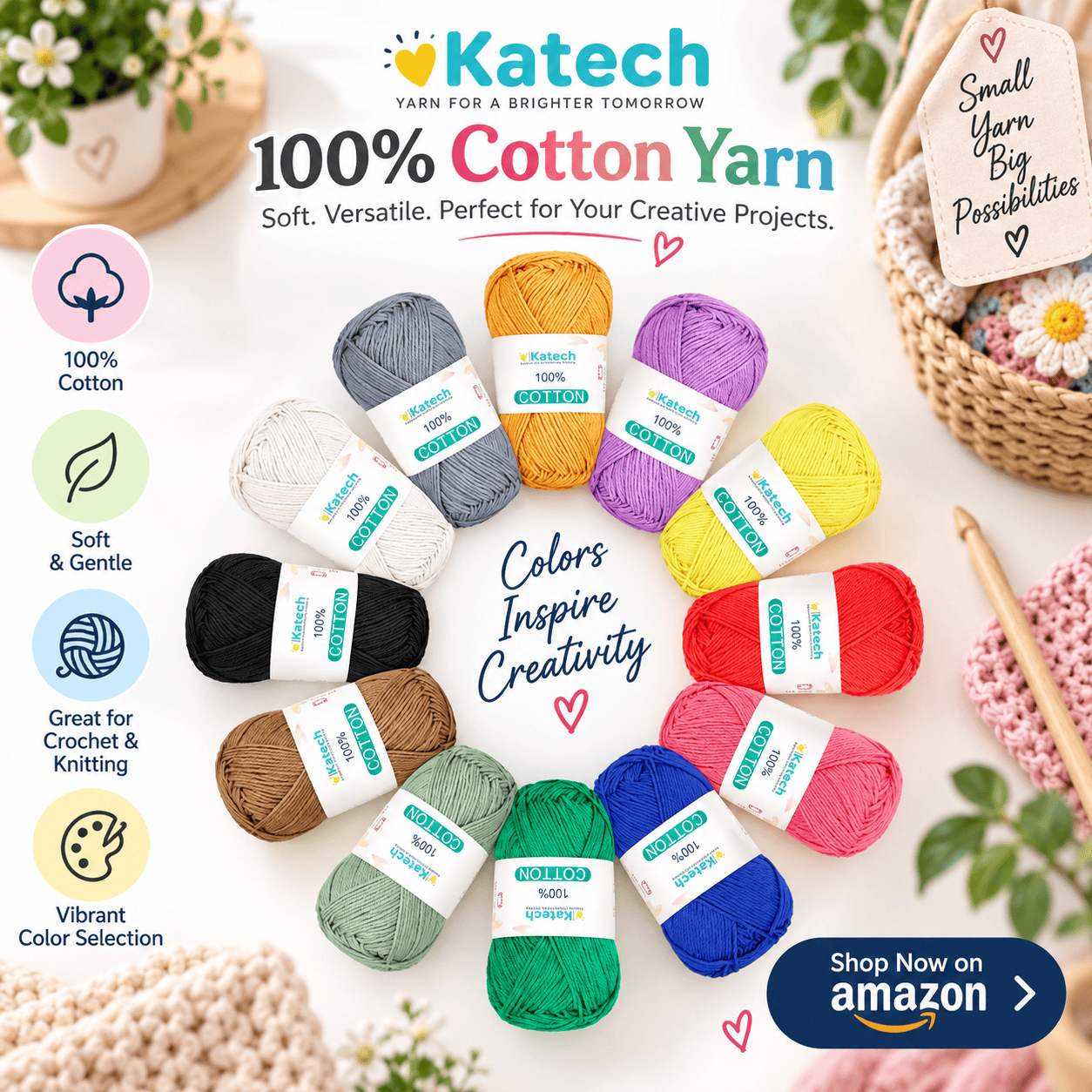
Cotton is a good place to start if you are unsure what to use.
It has a little more structure than many soft yarns and does not stretch a great deal while you work. That makes it easier to shape leaves and have them stay close to the shape you crocheted.
Smooth cotton is especially helpful when a pattern has small leaves or several increases and decreases. You can see each stitch without the fuzz getting in the way.
Worsted-weight cotton is a useful choice for medium-sized plants. For something smaller, DK cotton gives you a finer-looking result without making the project too fiddly.
It also works well for stuffed cacti and succulents. Just keep an eye on your tension. If the stitches are too loose, you may see the stuffing through the fabric.
2. Acrylic Yarn
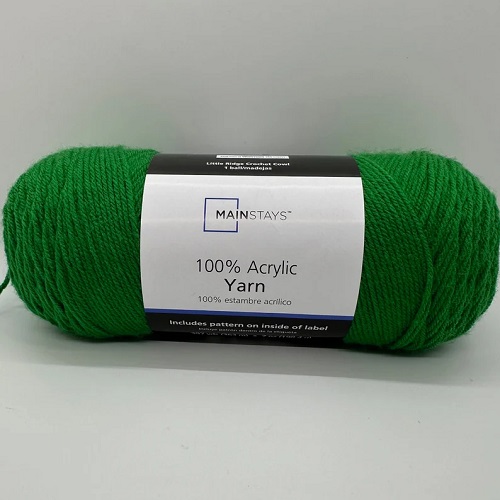
If you have a pile of acrylic leftovers, take a look through it before buying anything new. You may already have exactly what you need.
Smooth acrylic is easy to crochet and comes in a huge range of colors. It is also usually easy to find and reasonably priced, which is useful when you want several shades of green.
Be a little more careful with fuzzy acrylic. The fuzz can cover the stitches, and that becomes annoying when you are trying to make a small pointed leaf or follow a detailed pattern.
Acrylic also gives you more freedom with color. You do not have to make every plant look realistic. A blue-green succulent or a plant made with several unusual shades can look great as a decorative piece.
3. Chenille Yarn
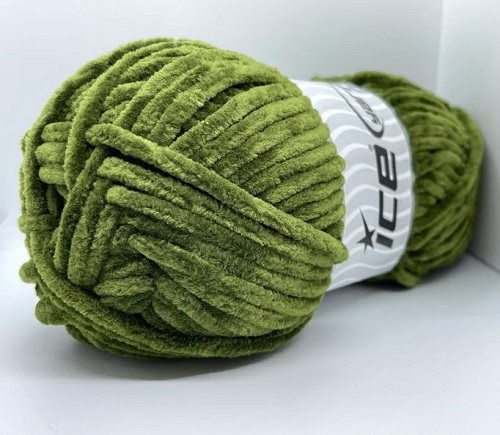
Chenille gives you a very different result.
Instead of a clearly defined crochet surface, you get something soft and plush. That can be just right for a rounded cactus, chunky succulent, or cute little plant sitting on a shelf.
The problem is that chenille can hide your stitches. If you are working with a small hook and trying to find individual stitches, it can take some patience.
For that reason, I would use it for simpler plant shapes if you are not very comfortable with chenille yet.
Pay attention to the thickness as well. A thick chenille yarn can change the size of a pattern quite a bit. A tiny plant can quickly turn into a much larger one.
4. Wool Yarn
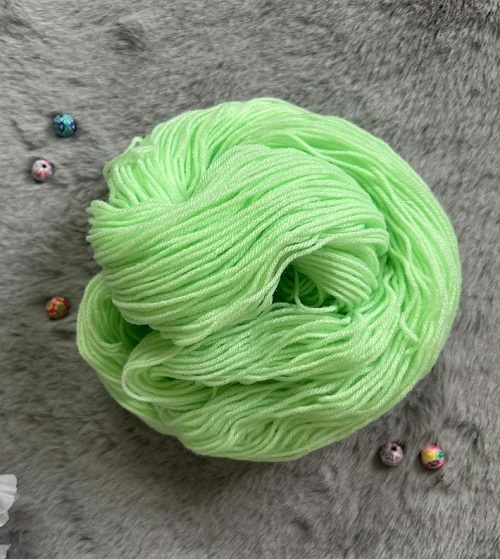
Wool is another option, although it behaves differently from cotton.
Some wool yarns have quite a bit of spring to them. You may not notice it until you start shaping a leaf and then find that the piece wants to bounce back.
Before using it, take a short piece of yarn and give it a gentle pull. Let it go and see how it behaves. If it stretches noticeably and springs back, keep that in mind when choosing your pattern.
That does not rule wool out. A little texture can actually make a decorative plant more interesting. It just may not be the easiest choice when you want very crisp leaves.
5. Yarn Blends
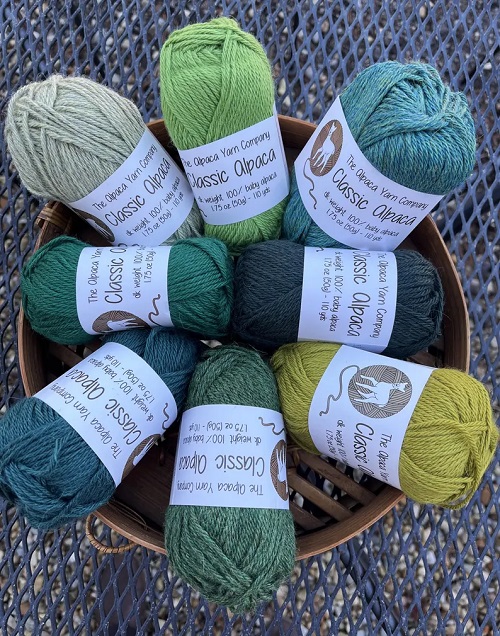
You will also find plenty of cotton blends, acrylic blends, and other mixed-fiber yarns.
These are worth considering if you like the feel of a particular yarn but want a slightly different result. The important thing is not to assume every blend will behave in the same way.
Look at the fiber content and, if possible, feel the yarn before buying it.
A firm-feeling blend may give you a fairly structured leaf, while a softer one may produce a more relaxed shape. Those small differences are much easier to notice once the yarn has been crocheted.
Choosing the Right Yarn Weight
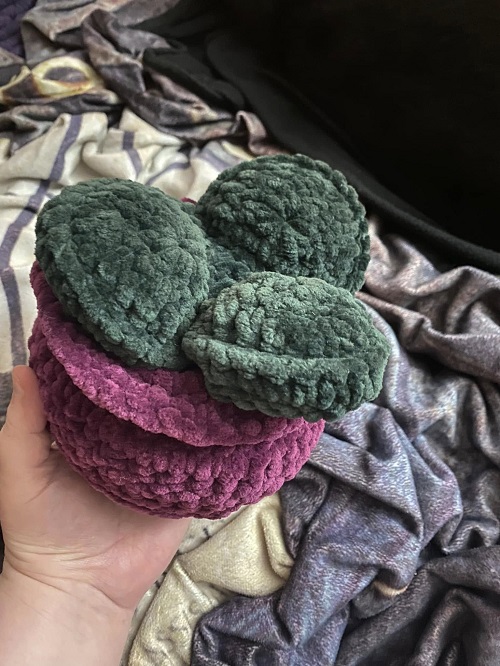
Yarn thickness can completely change the size of a crochet plant.
Use chunky yarn for a tiny succulent, and the leaves may become thick and crowded. Go too fine for a large plant, and you will spend a long time crocheting piece after piece.
Worsted weight is a comfortable starting point for many projects. It is easy to handle and works well for medium-sized leaves and simple plant shapes.
DK weight is useful when you want something a little smaller or more delicate. It is a good option for small succulents and plants with narrow leaves.
For miniature plants, sport or fingering weight can give you much smaller pieces. The trade-off is that the stitches become smaller too. If you do not enjoy working with tiny hooks, you may find this more frustrating than fun.
Bulky yarn has its place as well. It can work beautifully for an oversized cactus or a chunky decorative plant. Just check the finished measurements before changing the yarn weight in a pattern.
Smooth Yarn Makes Detailed Leaves Easier
Look closely at the yarn before you start.
If the strand is smooth and you can see its construction clearly, finding your stitches will usually be easier. That matters with crochet plants because some leaves are surprisingly small.
Missing one stitch on a scarf may not be a big deal. On a tiny leaf, it can change the whole shape.
Very fuzzy yarn can make those details disappear.
You can still use it, of course. If you like the soft texture, choose a pattern where the texture is more important than perfect stitch definition.
Consider How the Leaf Should Sit
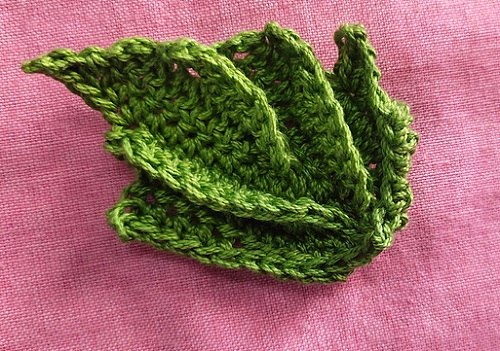
Think about the finished plant before choosing the yarn.
Some leaves should stand away from the stem. Others are meant to bend or hang down. A trailing plant needs more flexibility than an upright leaf.
For a hanging vine, a yarn with some give can make the stems easier to arrange. You can bend them into place without feeling as though you are fighting the yarn.
For a larger leaf that needs to stand up, you may want something with more body. Cotton is often helpful here, and your hook size can make a difference too.
Your crochet tension plays a part as well. If you crochet loosely, the same yarn will give you a softer fabric than it would in the hands of someone who works tightly.
That is one reason a small test piece is so useful.
Stuffed Plants Need a Firm Fabric
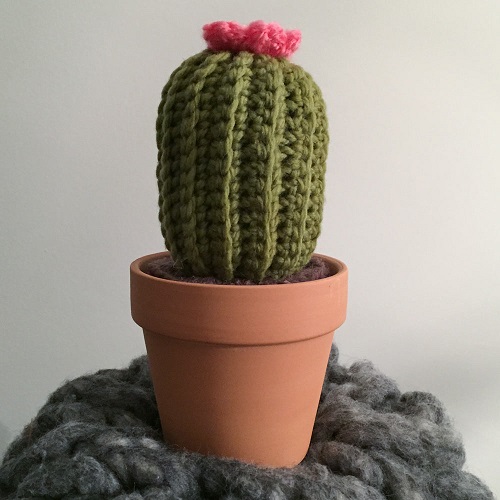
Cacti and succulents often need stuffing, so you have another thing to consider.
Look closely at the fabric as you crochet. If you can already see large gaps between the stitches, the stuffing is likely to show once the piece is filled.
Before changing yarn, try a smaller hook.
A tighter fabric will not only hide the filling better; it can also help the finished cactus or succulent hold its shape.
You do not need to crochet so tightly that the hook becomes difficult to use. The fabric should still feel comfortable in your hands.
Think About the Plant You Are Making
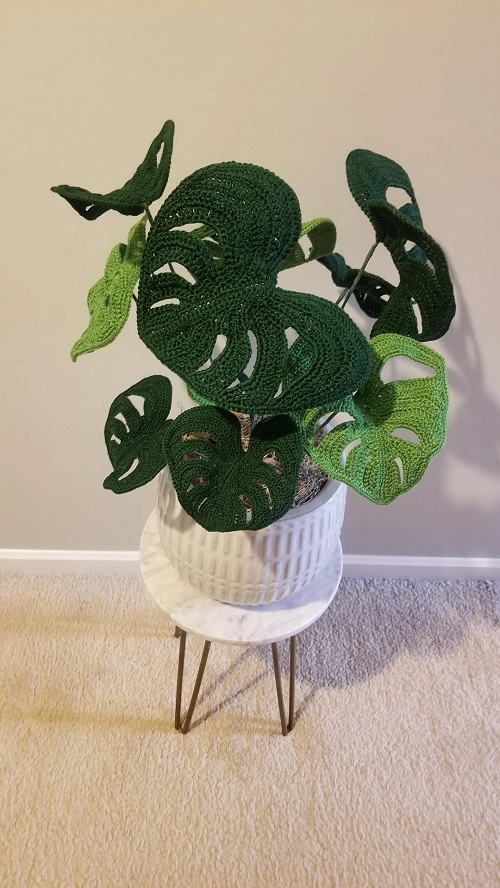
The plant itself can narrow down your yarn choices.
For a monstera, you want leaves that spread out and keep their shape. A smooth cotton makes sense because the leaf details remain easy to see.
A pothos or another trailing plant is a little more forgiving. The vines are supposed to hang, so they do not need to be as firm.
For a stuffed cactus, cotton or smooth acrylic can give you a good, firm surface. Chenille is an option if you want a softer version.
With tiny succulents, look at the size of the individual leaves. If the pattern already has lots of small pieces, thick yarn can make the finished plant look crowded.
Flowers give you more room to experiment. You can even use a different yarn for the flowers than you use for the leaves.
Think About Color Too
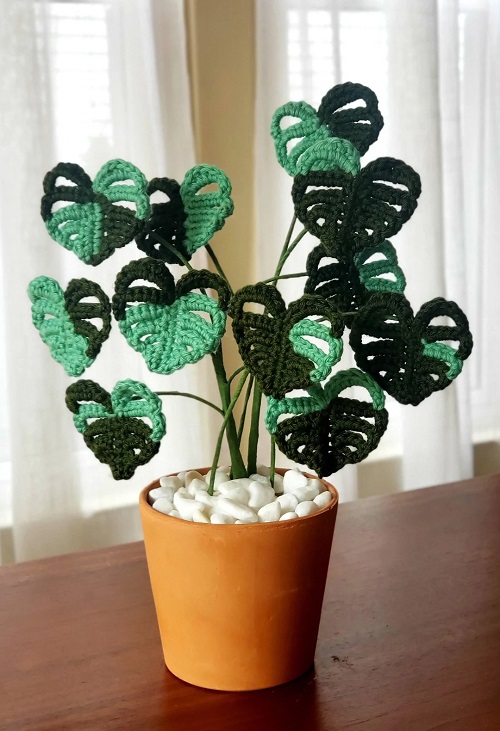
Once you have found a yarn that behaves well, then start looking at color.
You do not have to use one shade of green throughout the whole plant. A darker green for the stems and a lighter one for the leaves can give the plant more variation without making the project complicated.
If you are trying to copy a particular houseplant, compare the yarn with an actual leaf if you can. Some yarns look like a soft natural green in the skein but appear much brighter once they are crocheted.
Variegated yarn can be fun too, although I would be careful with it on detailed leaves. The changing colors can make an intricate stitch pattern difficult to see.
Read the Yarn Label
The label can answer several questions before you even start crocheting.
Check the fiber content, yarn weight, yardage, and recommended hook size. If you are making several plants, pay attention to the yardage rather than judging the amount by the size of the skein.
The suggested hook size is not set in stone. For stuffed plants, you may need a smaller hook to get a tighter fabric.
If you need more than one skein of the same color, check the dye lot when the yarn is used. A small color difference can become obvious when several leaves are placed next to each other.
Make One Leaf Before Making the Whole Plant
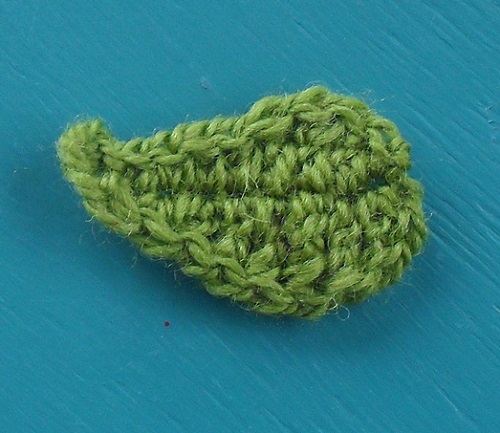
This is a small step, but it can save you a lot of time.
Before crocheting every leaf for your plant, make one.
Look at it from different angles. Hold it next to your pot or stem. See whether the yarn feels too thick, too soft, or too stiff.
Pay attention to the stitches too. Are you able to find them easily? Does the leaf keep its shape when you pick it up? Is the color doing what you expected?
If you do not like the answer, change something now.
You can try another hook, another weight, or a completely different yarn. Pulling out one leaf is much easier than undoing an almost finished plant.
So, What Is the Best Yarn for Crochet Plants?
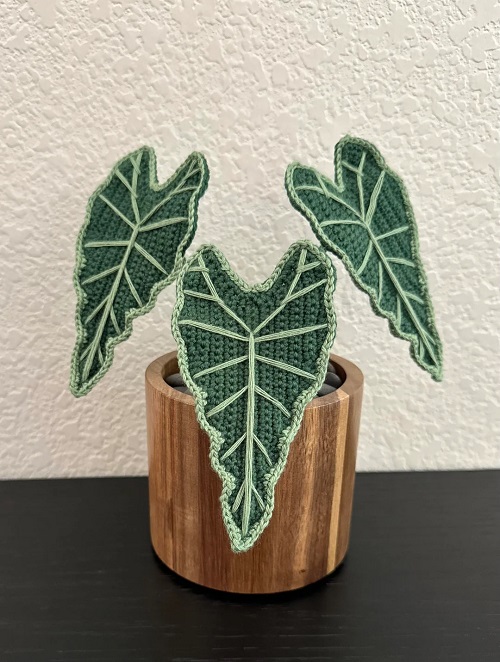
For most crochet plants, smooth cotton is a reliable place to start. It gives you good stitch definition and enough structure for leaves, stems, and many stuffed pieces.
Acrylic is handy when you want plenty of color choices or already have a stash of it. Chenille is worth trying when you want a soft, plush finish. Wool and blended yarns can give you different textures when you are willing to experiment.
You do not have to use the same yarn for every plant.
The yarn that works for a tiny succulent may not be right for a long trailing vine. Start by looking at the plant, decide how you want the finished leaves and stems to behave, and then choose the yarn.
If you are stuck between two skeins, do something simple: crochet one leaf with each.
Put them side by side.
Usually, you will know which one feels right before you even finish the second leaf.